If you've spent any time looking into wedding videography lately, you've probably come across Super 8 wedding films. Maybe it was footage of a couple running through the streets after their ceremony, guests dancing at the reception, or a few seconds of video that looked like something pulled from an old family home movie.
I think part of what makes Super 8 so interesting is how familiar it feels. Even if you didn't grow up with a film camera in your house, you've probably seen old home movies from your parents or grandparents. There's something about the colors, the grain, and the way people move on film that makes those recordings instantly recognizable.
Now couples are choosing to document their weddings using that same format, and I can understand why. But if you're considering it for your own wedding, there are a few things worth knowing before you book. Super 8 is quite different from traditional digital videography, both in how it's filmed and what you receive afterward.
I'm Kelsey, a Southern California wedding photographer who also offers Super 8 wedding films. I shoot on actual motion-picture film, and I wanted to share a little more about how the process works, what makes it different, and what you can expect from the finished product.
What Is Super 8 Wedding Film?
Super 8 is a motion-picture film format introduced by Kodak in 1965. It became a popular way for families to document vacations, birthdays, holidays, and everyday life long before digital cameras and smartphones were part of the picture.
Unlike digital video, which records footage electronically, Super 8 cameras capture moving images on physical film. After filming, that film needs to be developed and scanned into a digital format before the footage can be edited.
When I film a wedding on Super 8, I'm using real film. It's not footage recorded digitally with a vintage filter added afterward. The grain, colors, and characteristics you see are a result of the film itself, along with the camera, lighting conditions, and development process.
That's one of the things I enjoy about working with it. Film responds to light differently than a digital camera, and the results aren't always perfectly predictable. Those variations are part of what gives each film its character.
Even though everything starts on physical film, the finished wedding video is delivered digitally, so you can watch it, save it, and share it just like any other video.
How Is Super 8 Different From Traditional Wedding Videography?
The biggest difference between Super 8 and digital wedding videography is how the footage is captured and how much can be recorded at once.
Digital videography allows filmmakers to record for longer periods, capture synchronized audio, and use multiple cameras to document events from different angles. Depending on the coverage, couples may receive a highlight film along with full recordings of their ceremony, speeches, or other parts of the day.
Super 8 has a much more limited recording time. A standard 50-foot cartridge contains approximately three minutes and twenty seconds of footage when filmed at 18 frames per second, or about two minutes and thirty seconds at 24 frames per second.
That changes the way you approach filming. Rather than recording an entire event continuously, you're choosing shorter moments throughout the day to capture on film.
The visual differences are noticeable, too. Super 8 has visible grain, colors that respond differently to light, and a look that isn't as sharp or polished as modern digital footage. Movement can also feel a little different, particularly when you're watching people interact or move through a scene.
I don't necessarily think one format is better than the other. They're just different ways of documenting a wedding.
If having your entire ceremony or speeches recorded is important to you, traditional digital videography may be worth considering. If you love the appearance of real film and want a shorter highlight that brings together moments from your celebration, Super 8 might be a great fit.
What Does a Super 8 Wedding Film Actually Look Like?
I think the easiest way to understand Super 8 is to watch it. You can read about film grain, colors, and movement, but seeing actual wedding footage gives you a much better idea of what makes the format different.
I offer Super 8 as both a standalone service and an addition to wedding photography, so I wanted to share an example of each. Both are captured on real film, but the finished videos are different lengths depending on the coverage.
A Standalone Super 8 Wedding Film at Olive Hill Estate in Byron, California
This wedding at Olive Hill Estate in Byron, California, is an example of my standalone Super 8 coverage. With this option, couples receive a 6–8 minute highlight film, giving us more room to incorporate different parts of the wedding day and the people celebrating.
The longer edit allows more time for the footage, music, and wedding-day audio to come together. It's still a highlight film rather than a continuous recording of every event, but it gives you a more extended look at the celebration.
Wedding Photography and Super 8 at Lost Horse Lodge in Hamilton, Montana
For this wedding at Lost Horse Lodge in Hamilton, Montana, I incorporated Super 8 alongside wedding photography. It's a great example of how the two can work together without feeling like you're receiving two versions of the exact same thing.
The photographs give you individual moments to look back on, from the portraits and details to the interactions happening throughout the day. The film adds another perspective, letting you see some of those same moments in motion.
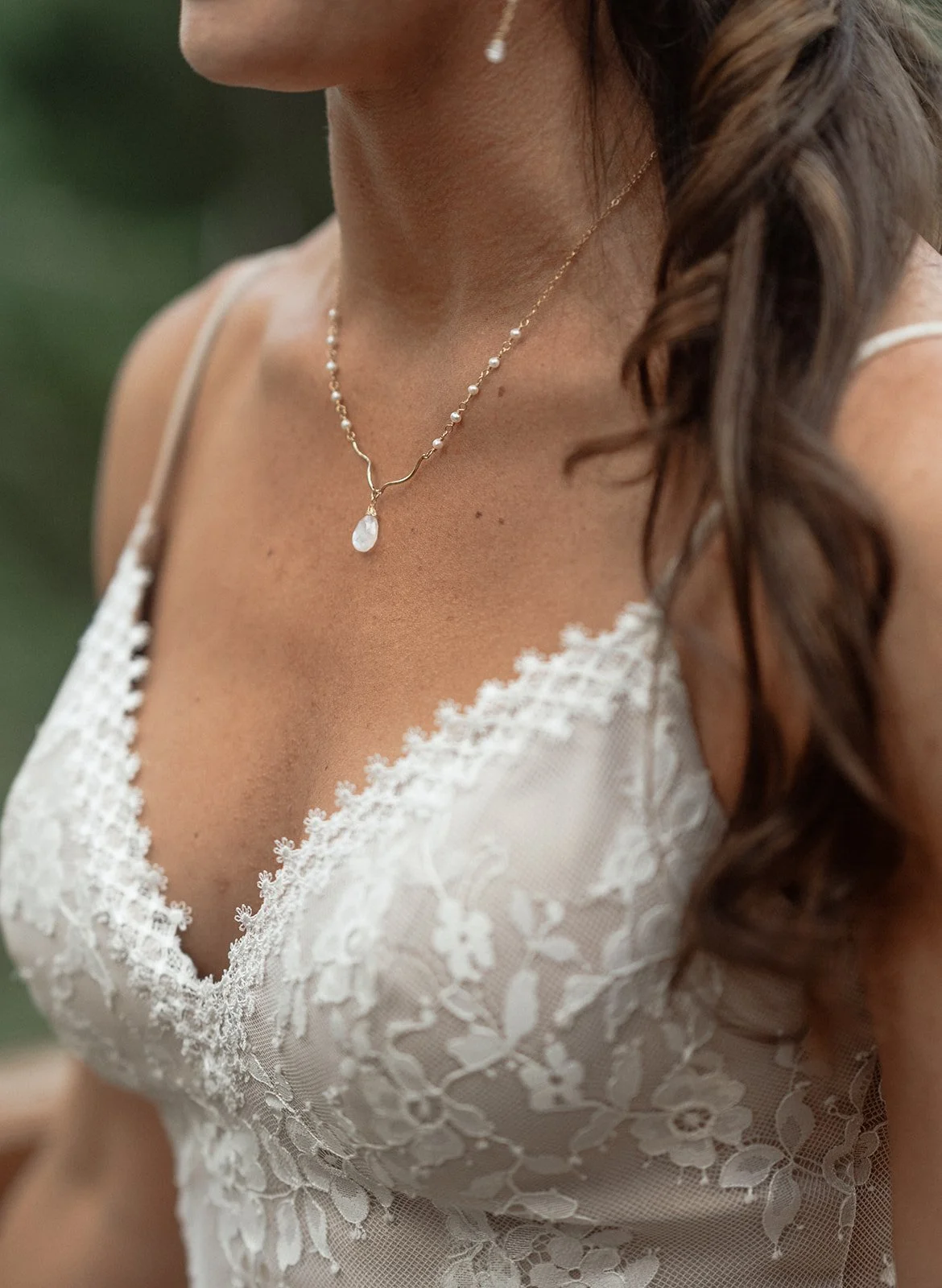
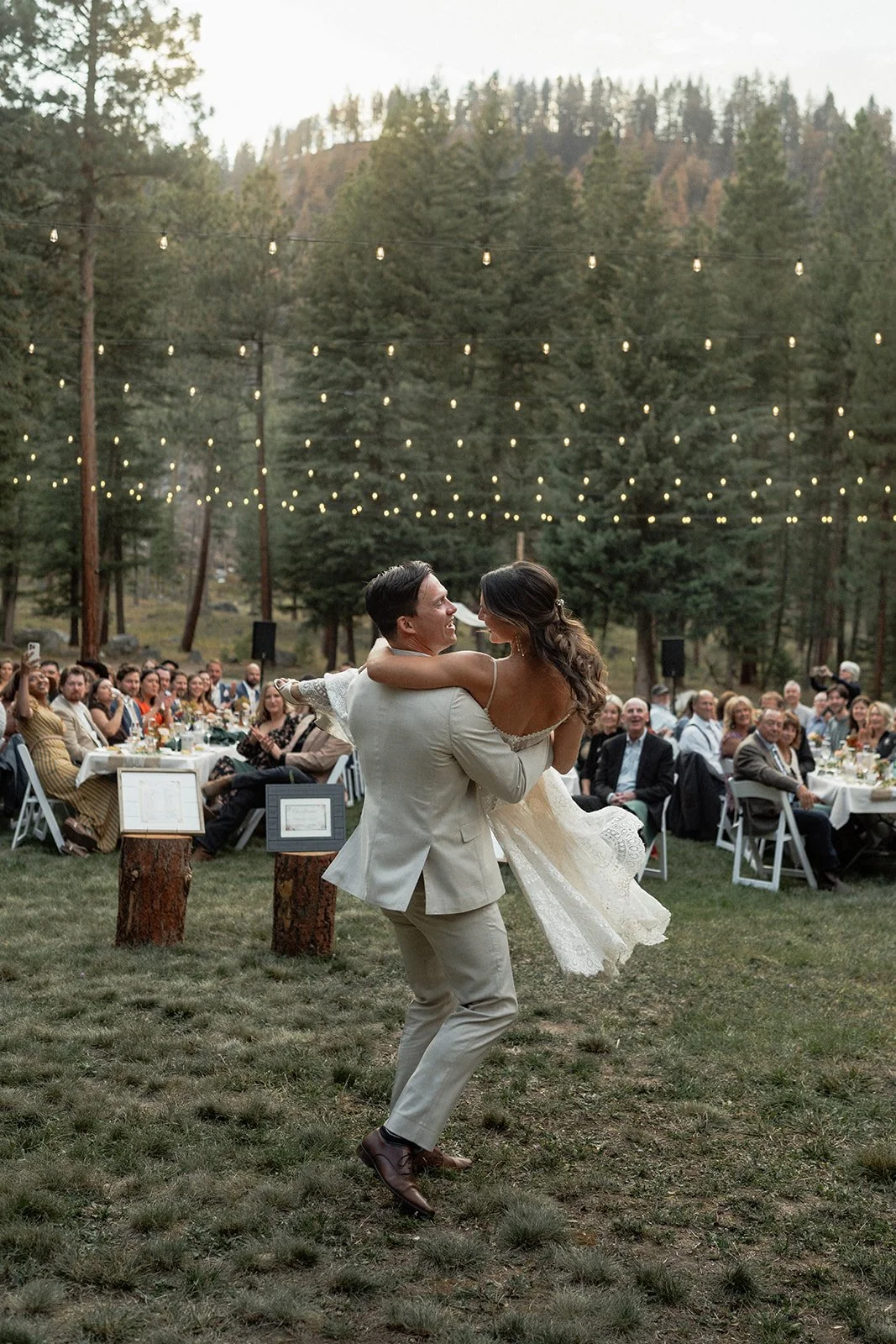
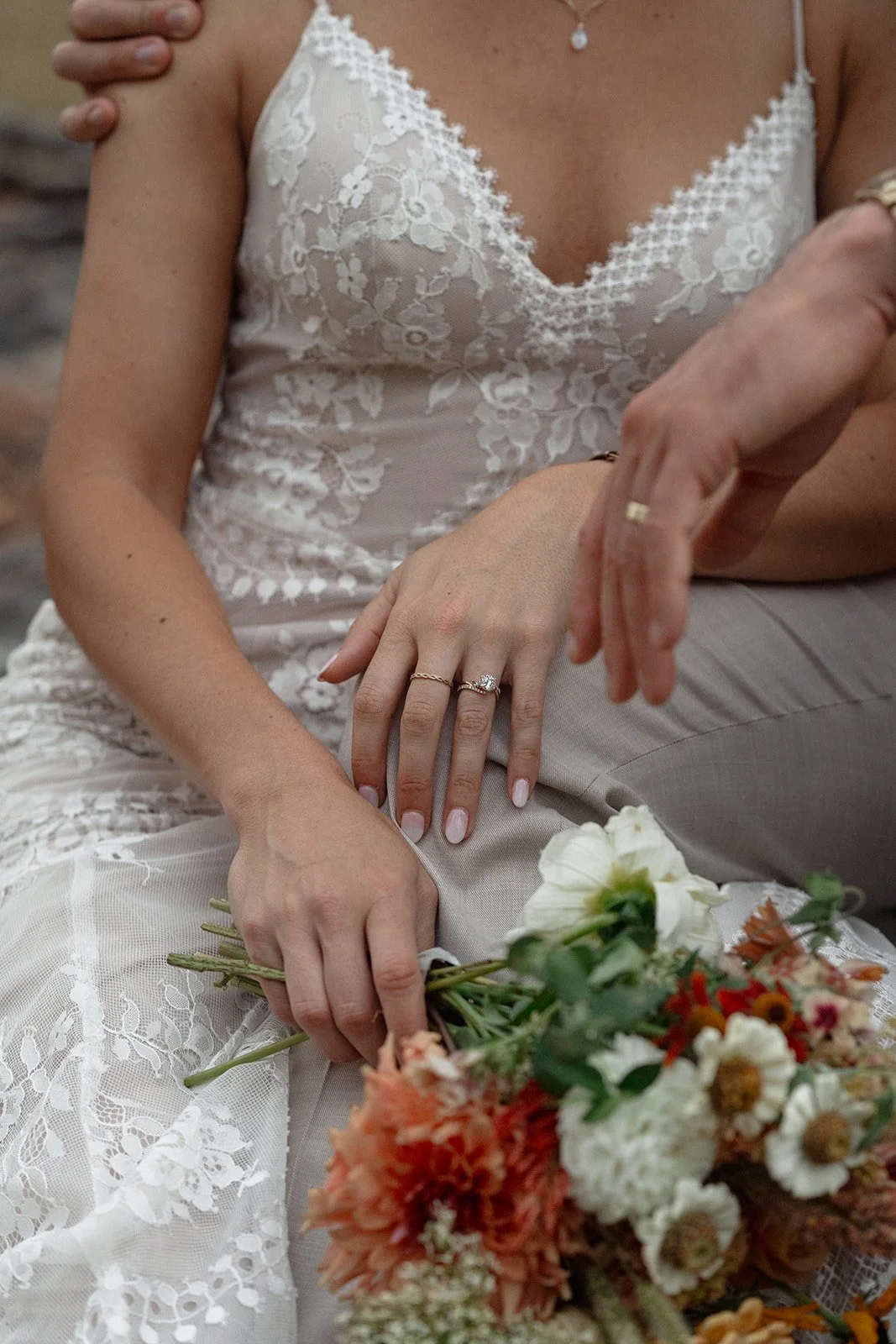
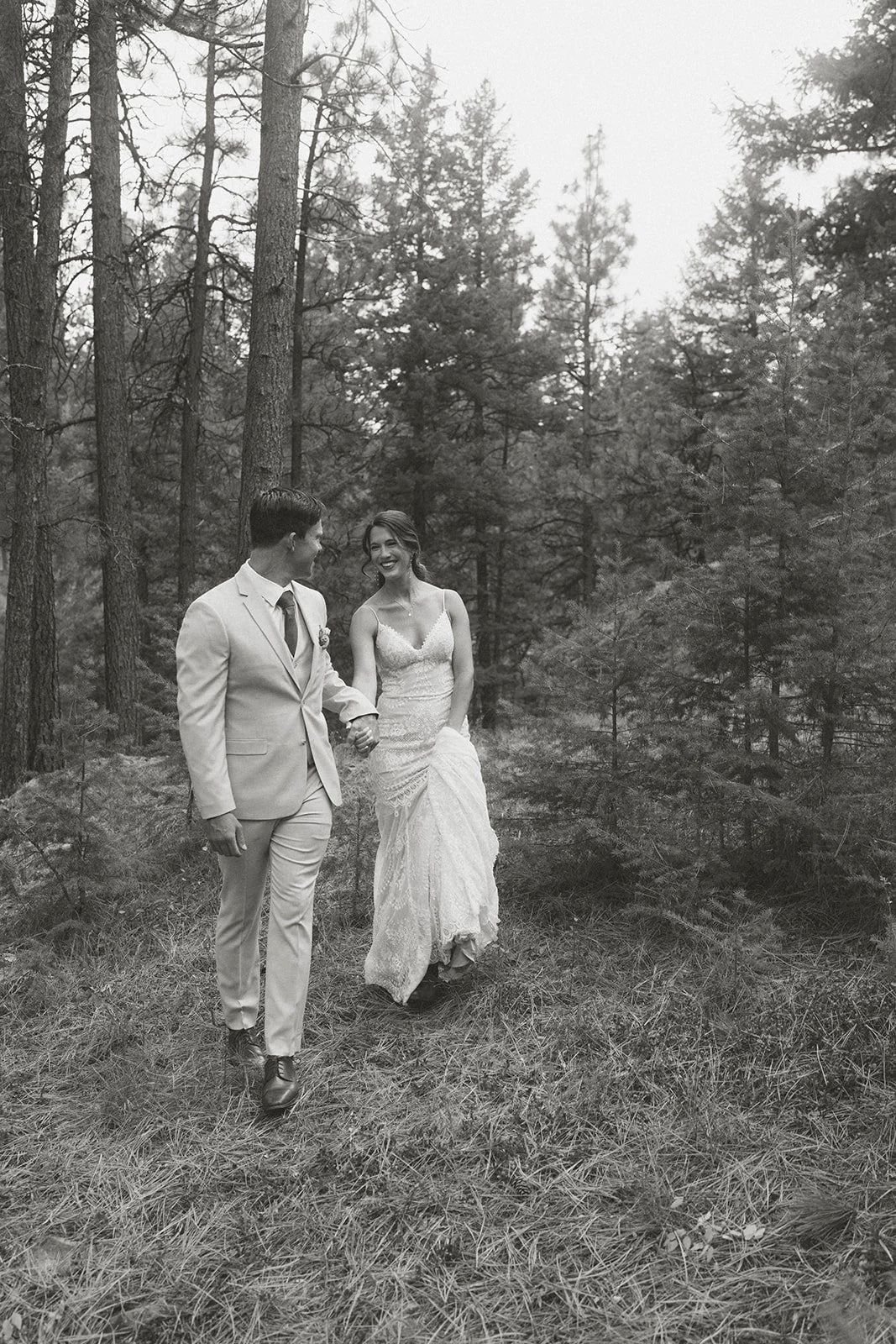
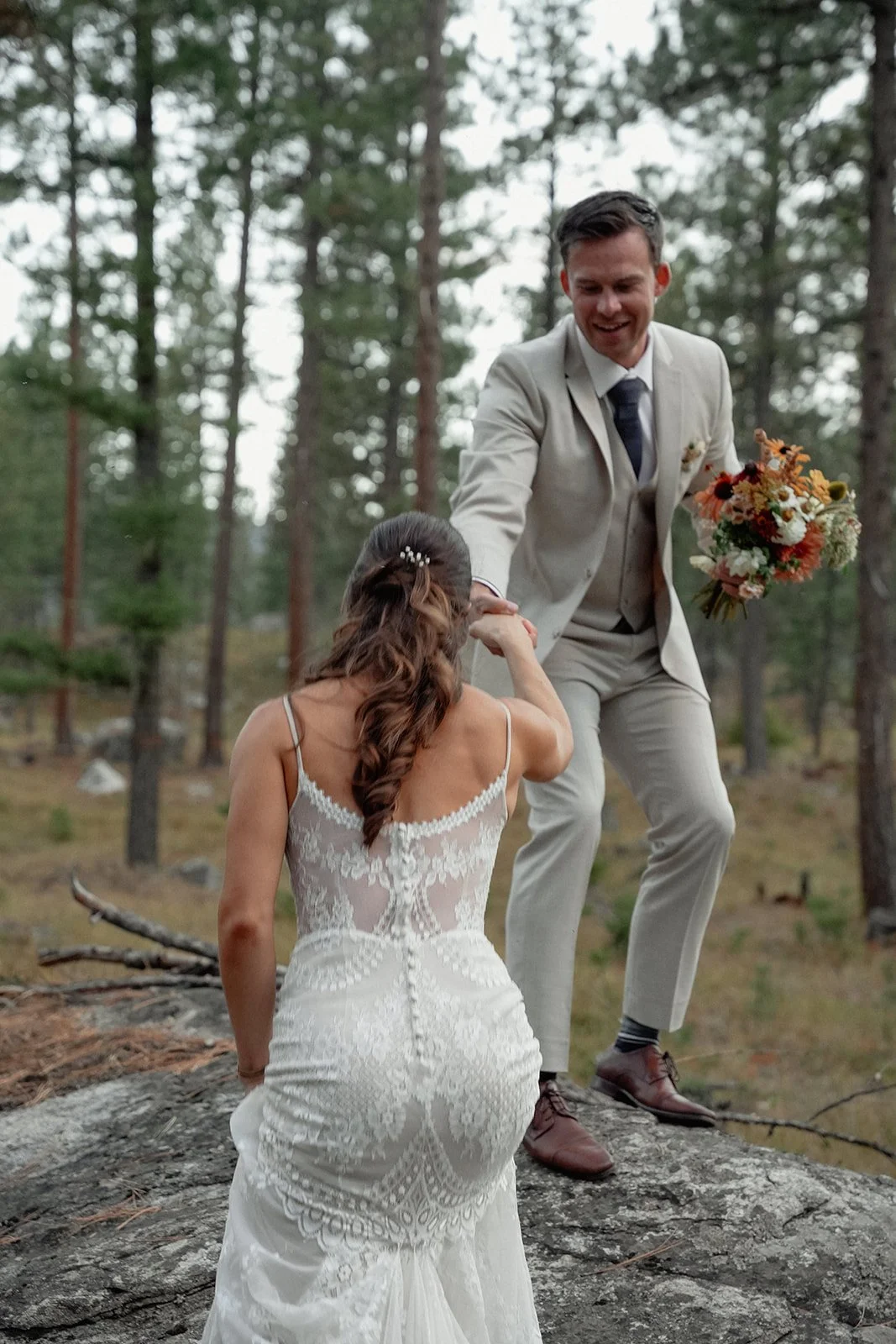
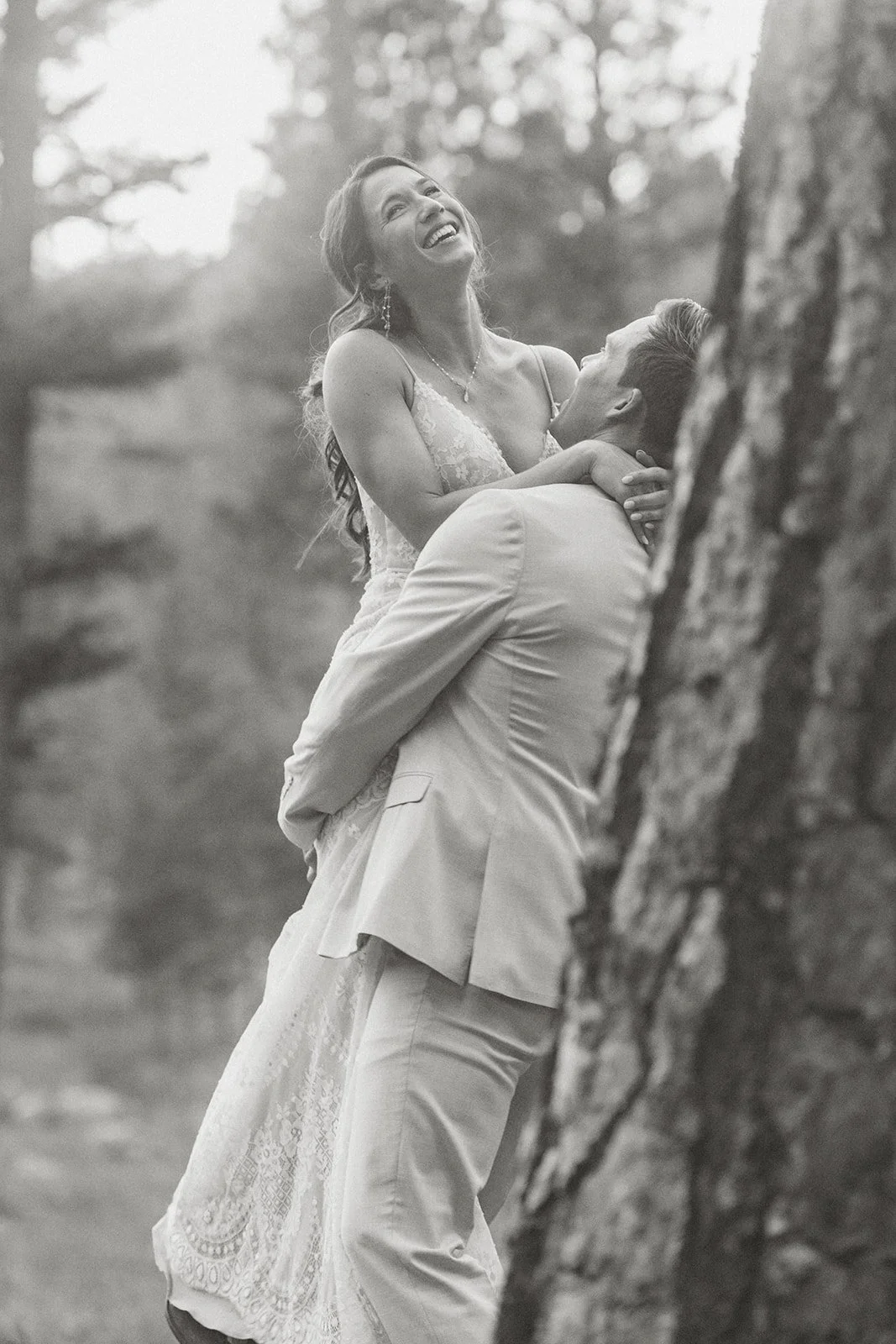
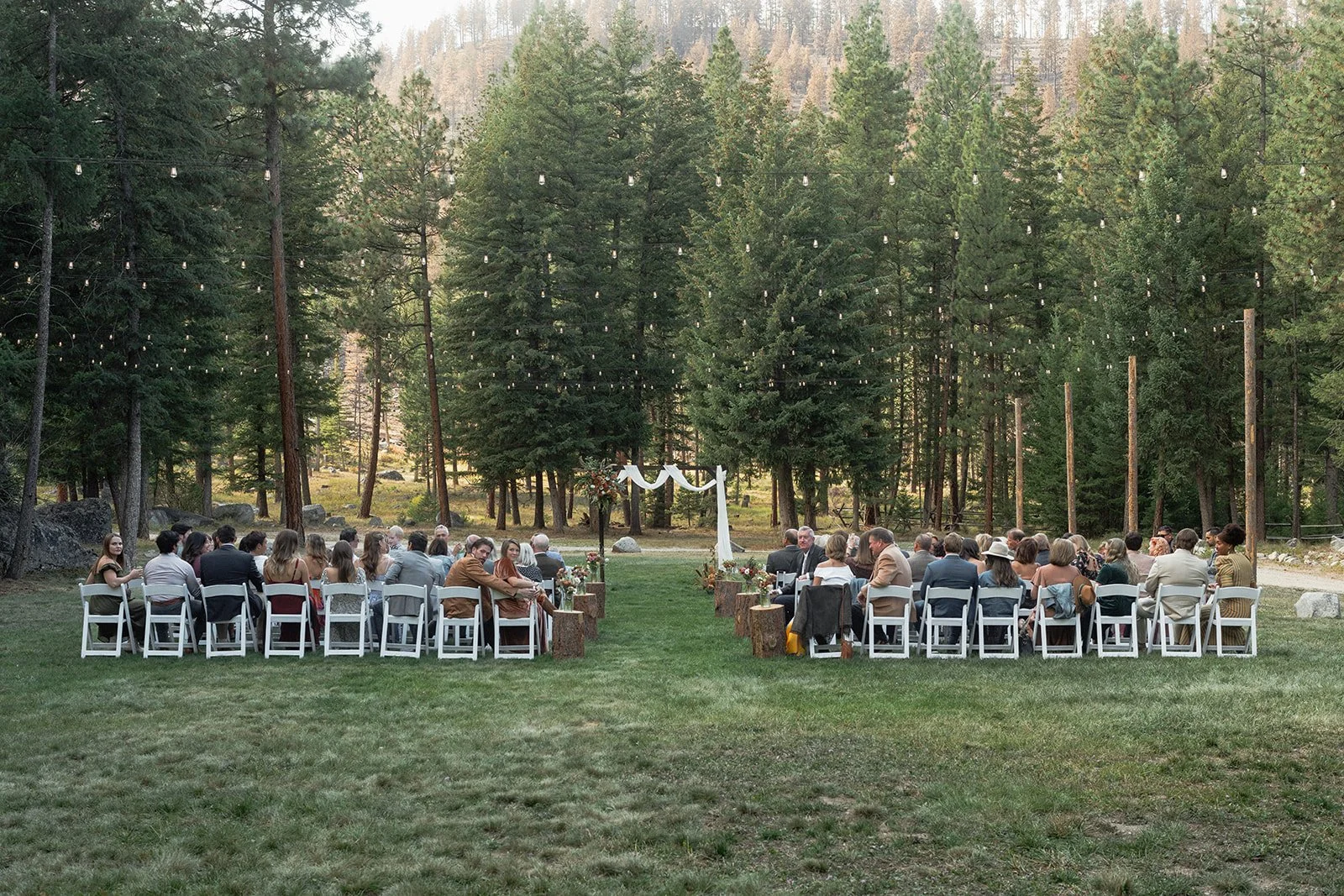
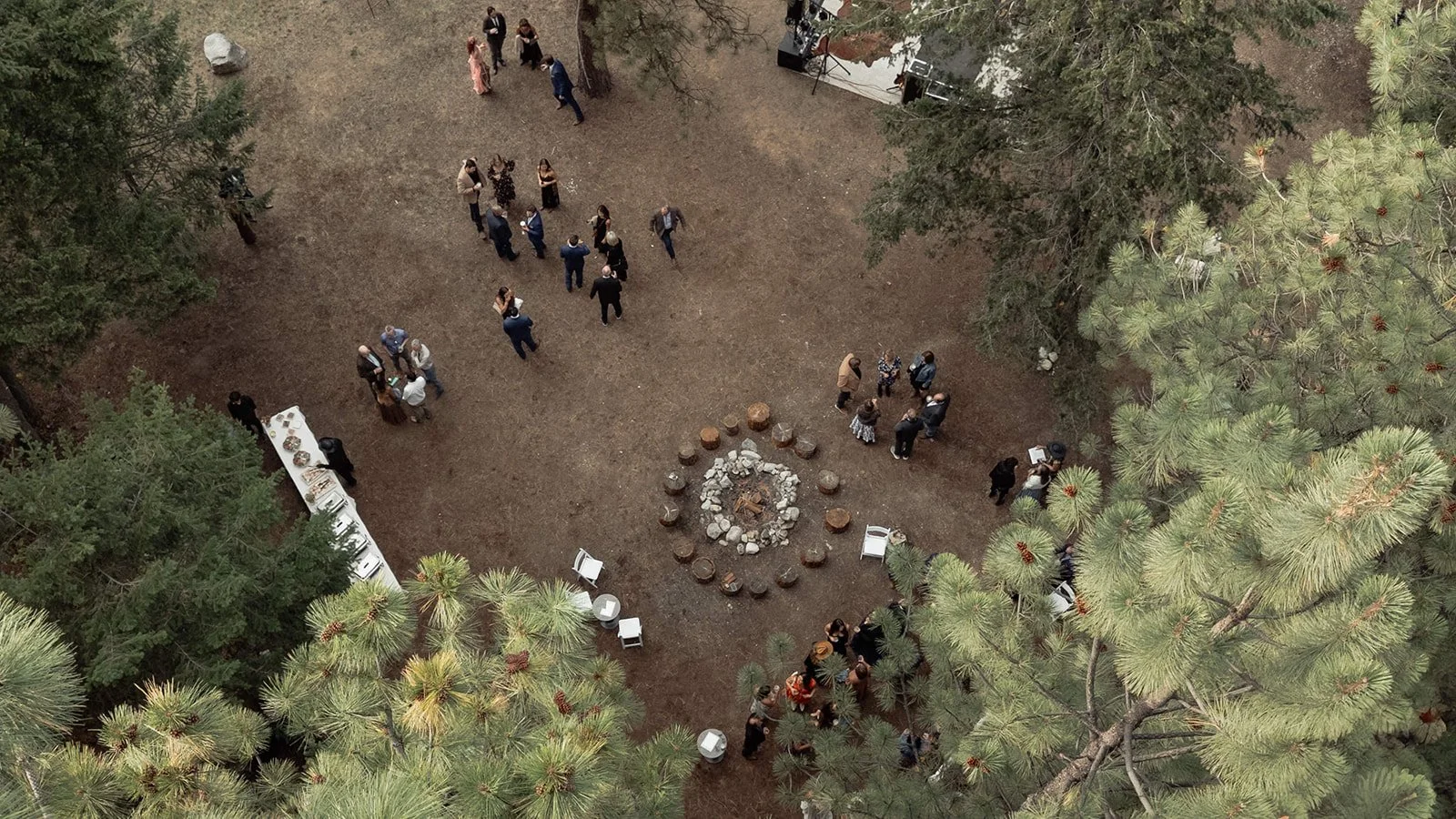
I'd recommend looking through the photographs and film together. You'll notice how differently a single moment can come across depending on whether you're seeing it as a photograph or watching it happen.
When Super 8 is added to wedding photography, couples receive a 2–4 minute highlight film. It's a shorter edit than standalone coverage, but still includes real film footage, music, and wedding-day audio.
What to Expect When Booking Super 8 Wedding Videography
Filming on actual Super 8 is a different process from recording digital video, both during the wedding and afterward.
Every cartridge contains a limited amount of film, and there's no screen where I can immediately review what I've captured. Once a clip is recorded, I can't delete it and try again the way I could with a digital camera. That doesn't mean your wedding needs to be staged or planned around the film camera, though. I'm still paying attention to the people, the interactions, and everything happening around you, just as I would when photographing a wedding.
After the wedding, the film is sent out to be developed and digitized. This part of the process alone can take around two months, depending on the lab and processing schedule. Once I receive the digitized footage, I can begin editing the finished highlight film.
My typical turnaround time for Super 8 wedding films is 16–20 weeks. I know that's longer than couples may expect from digital video, but working with physical film involves additional steps that aren't part of a digital workflow. I want couples to understand that process ahead of time so they know what to expect.
Does Super 8 Wedding Film Have Sound?
This is something I think is especially important to understand because most Super 8 cameras used for wedding filmmaking today don't record synchronized audio directly onto the film.
That doesn't mean your finished wedding video has to be silent.
When I'm filming a wedding on Super 8, I record wedding-day audio separately and incorporate it into the edit alongside music. That allows you to hear real moments from your celebration while watching footage captured on film. I love being able to include those sounds because hearing someone's voice or a familiar moment adds something different to the experience of watching the footage back.
Not every Super 8 filmmaker approaches audio the same way, so it's worth asking what's included when you're comparing services.
Can Super 8 Replace Traditional Wedding Videography?
Absolutely, depending on what you're hoping to have after your wedding.
I offer Super 8 as a standalone service, so you don't need to book wedding photography or traditional digital videography with me to have a Super 8 wedding film.
For couples who love the appearance of real film and want a highlight that captures moments from their celebration, standalone Super 8 can be a great option. However, a highlight film isn't the same as having a complete video record of your wedding.
If you want to watch your entire ceremony from beginning to end, revisit every speech in full, or have extended recordings of particular events, you may want to consider digital videography as well.
Some couples choose both formats because they appreciate what each one offers. Others prefer Super 8 on its own. I think it really comes down to how you imagine revisiting your wedding years from now and which parts of the day you want documented in detail.
How Super 8 Complements Wedding Photography
As a photographer, one of the things I enjoy most about Super 8 is seeing how differently photography and motion-picture film can capture the same wedding.
A photograph gives you a single moment to come back to. You can study someone's expression, notice details you missed, or see what's happening in the background of an image. Super 8 adds movement, allowing you to watch those moments happen.
You get to see the way someone laughs, how your dress moves when you walk, or what the dance floor looked like when everyone was celebrating together. Those are things photographs can suggest, but watching them happen is a different experience.
The Lost Horse Lodge wedding above is a good example of why I enjoy offering both. You can see how the photographs and film contribute different things to the finished collection, even though they're documenting the same celebration.
When couples add Super 8 to their wedding photography, the approach to capturing both depends on the wedding and the coverage we've planned. I want to make sure we're creating a collection that works well together while still giving each medium the attention it deserves.
Is Super 8 Wedding Film Worth It?
I think this depends on what matters most to you when it comes to remembering your wedding. If you're someone who loves film photography, old home movies, or the idea of documenting your wedding on a format that's been around for decades, Super 8 might be something you really connect with.
It's also a great option if you're drawn to a shorter highlight film rather than a comprehensive video of the entire day.
There are practical considerations, though. Shooting on actual film involves the cost of film stock, development, and digitization. Recording time is limited, footage can't be reviewed immediately, and lighting conditions play a bigger role than they do with many modern digital cameras.
For some couples, those limitations are part of what makes Super 8 appealing. For others, traditional digital videography may better suit what they're looking for.
I'd encourage you to watch full examples of a filmmaker's work, understand what's included in their coverage, and think about what you want to be able to revisit after the wedding.
Frequently Asked Questions About Super 8 Wedding Films
Is Super 8 real film or a digital filter?
Authentic Super 8 is captured on physical motion-picture film, then developed and digitized for editing. Some digital videos use filters to imitate its appearance, but that's different from filming on actual film. My Super 8 wedding films are captured on real film.
How long is a Super 8 wedding film?
My standalone Super 8 coverage includes a guaranteed 6–8 minute highlight film. When Super 8 is added to wedding photography, the finished highlight is 2–4 minutes.
How much does Super 8 wedding videography cost?
Pricing depends on the filmmaker, the amount of coverage, and what's included in the finished product. Real Super 8 also involves the cost of film stock, processing, and digitization.
I offer both standalone coverage and the option to add Super 8 to wedding photography. You can inquire for details about the options available for your wedding.
Can Super 8 be filmed at an indoor wedding?
Yes, although lighting is an important consideration. Different film stocks respond differently to available light, and Super 8 cameras don't offer the same flexibility as modern digital cameras in very dark environments. If you're planning a candlelit ceremony or reception with minimal lighting, it's worth discussing those details ahead of time.
Will I receive a digital copy of my Super 8 wedding film?
Yes! Although the footage is captured on physical film, it's developed, digitized, and edited into a finished highlight film that you can watch and share digitally.
Super 8 Wedding Films in Southern California and Beyond
I'm Kelsey, a Southern California-based wedding photographer offering Super 8 wedding films throughout California and destinations beyond.
I've always loved documenting weddings through photography, and incorporating real motion-picture film has given me another way to capture the people and experiences that make each celebration different.
Whether you're interested in standalone Super 8 coverage or want to incorporate it into your wedding photography, I'd love to hear what you're planning! Contact me today so we can get in touch!